
Travis Roderick working with Sky-Frame
Book video-call get further information
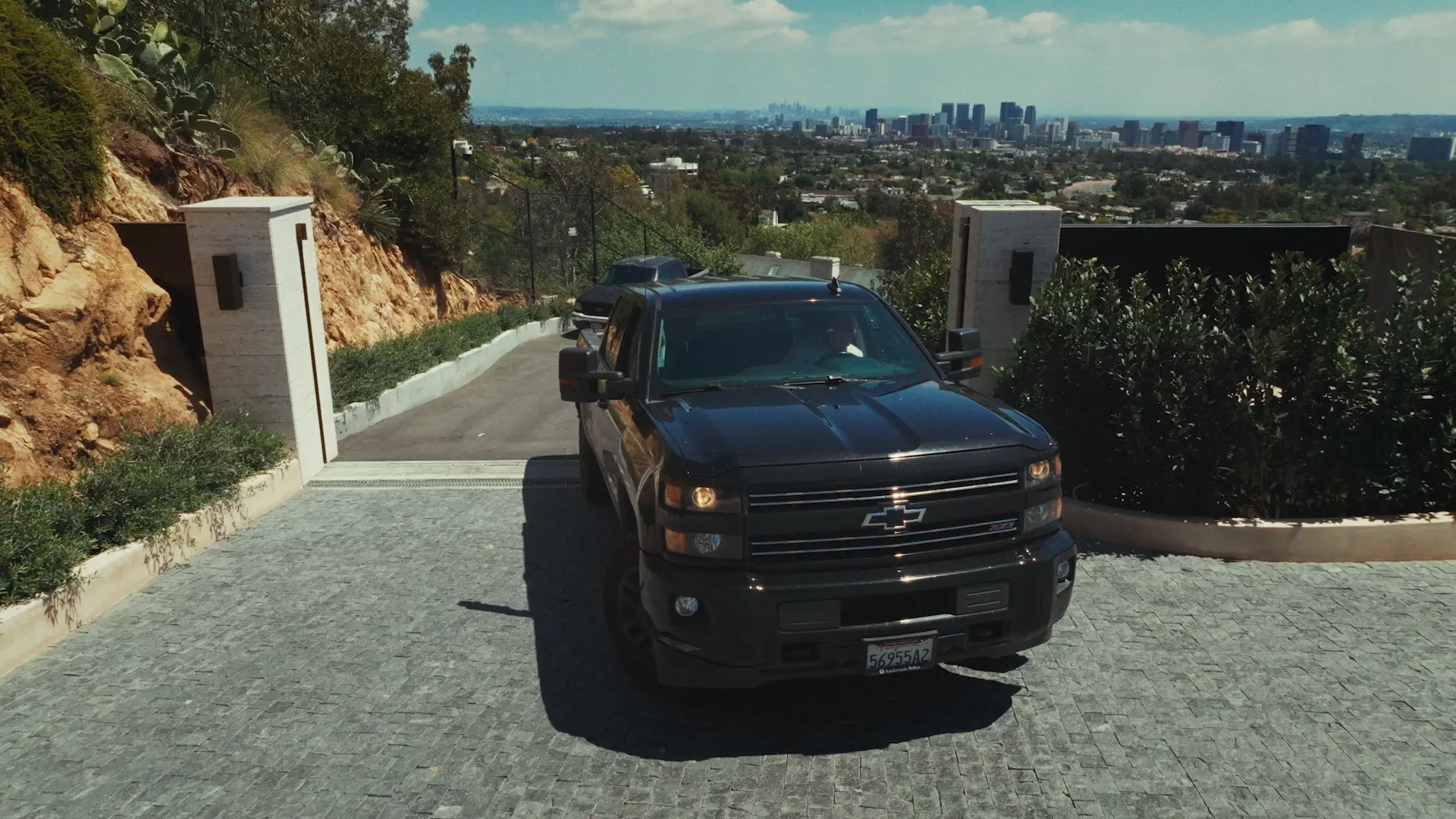
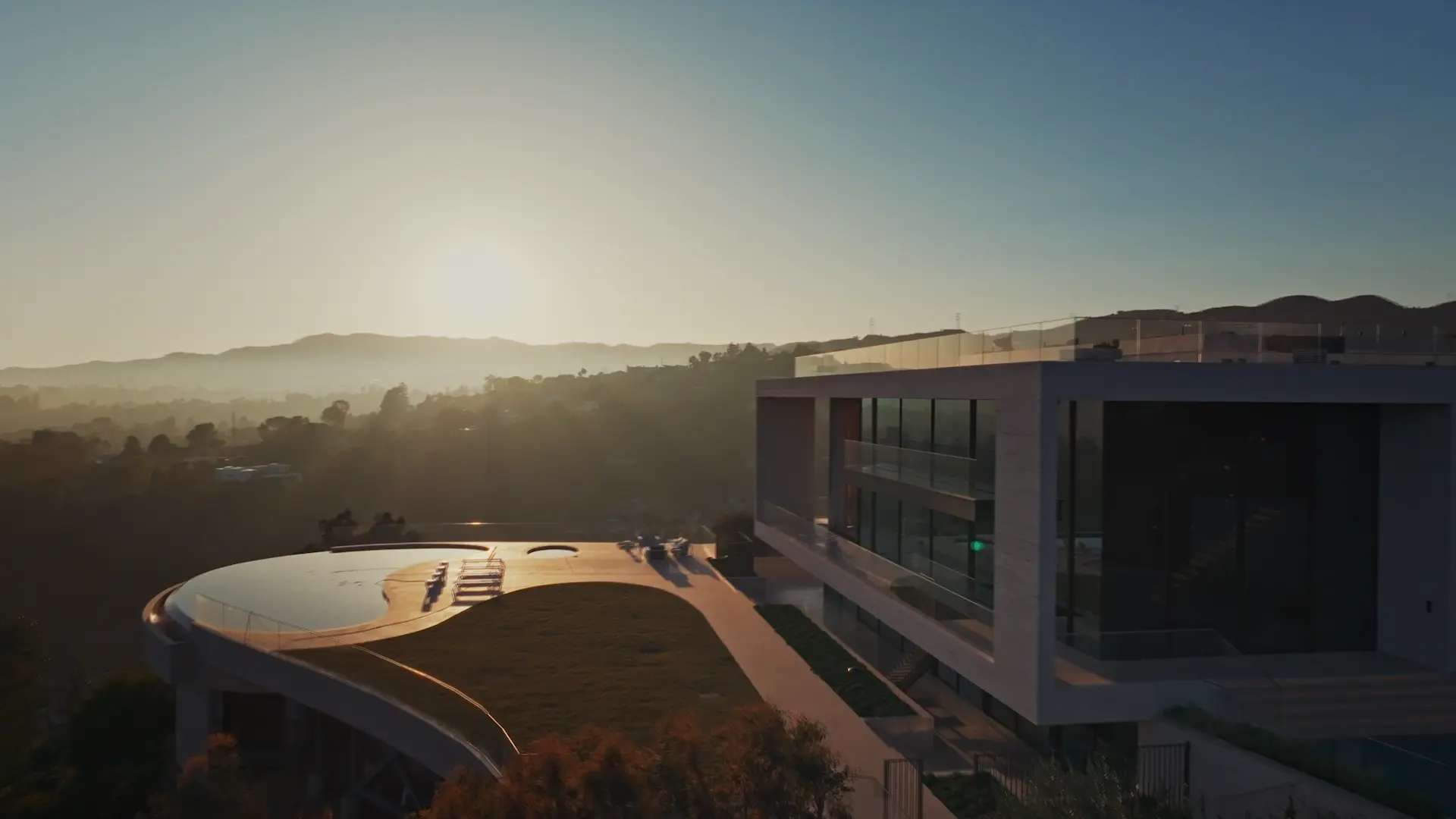
L.A.’s Getty Center, a luminous acropolis of blonde Travertine-clad structures perched on an elegantly landscaped hillside site in Brentwood, is one of the city’s most glorious attractions. Just south of the Getty sits a hillside site whose unimpeded orientation affords it arguably better panoramic vistas than its world-famous neighbour. Furniture magnate Evan Cole bought the property in 2004, and by 2019, he was ready to build a new home here, inspired by the Getty’s exquisite artfulness while taking full advantage of this one-of-a-kind location. Cole’s architect, Thomas Juul-Hansen, devised the design, employing sophisticated craft, elegant material, and graceful spatial progression to form an architectural symphony. But it was the builder, Travis Roderick, who served as conductor. He would manage an extraordinarily complex hilltop build every day for over four years. He didn’t stay overnight, but he more or less lived on the site. “There were so many moving parts,” notes Roderick, an industry veteran who calls the 15,000-square-foot home his most challenging project to date. Tasks included monitoring myriad minute details and connections, craning multi-ton components into place, timing deliveries of tools and materials, whose sourcing was severely limited by the pandemic and the site, navigating the home’s very steep driveway, and staying up late to game plan for each day.
"I’m just starting to enjoy it. I haven’t been able to, but I’m getting there."
“Every day, I had to think, how am I going to get a container of stone up here? How am I going to get the concrete up? The steel up? How am I going to get the dirt out? It was a challenge, for sure… It’s not as simple as, hey, we just put this together.” The result, he says, lives up to the Getty’s example. “It’s not just the art at the Getty; everything around there is beautiful. I feel like it’s the same here.” The three-story edifice floats over a solid plinth, remarkably opening to the city. The cavernous living room is the home’s heart, with two sides of 20-foot-tall motorised sliding glass Sky-Frame doors emphatically blurring the line between inside and out, pulling your gaze into the mesmerising surroundings. (“You’re never going to see something as clear as this glass,” says Roderick.)
"There's nothing else I would do. I will be doing this till the day I die. I don't ever see myself retiring because I couldn't imagine just staying home. This is what I do."
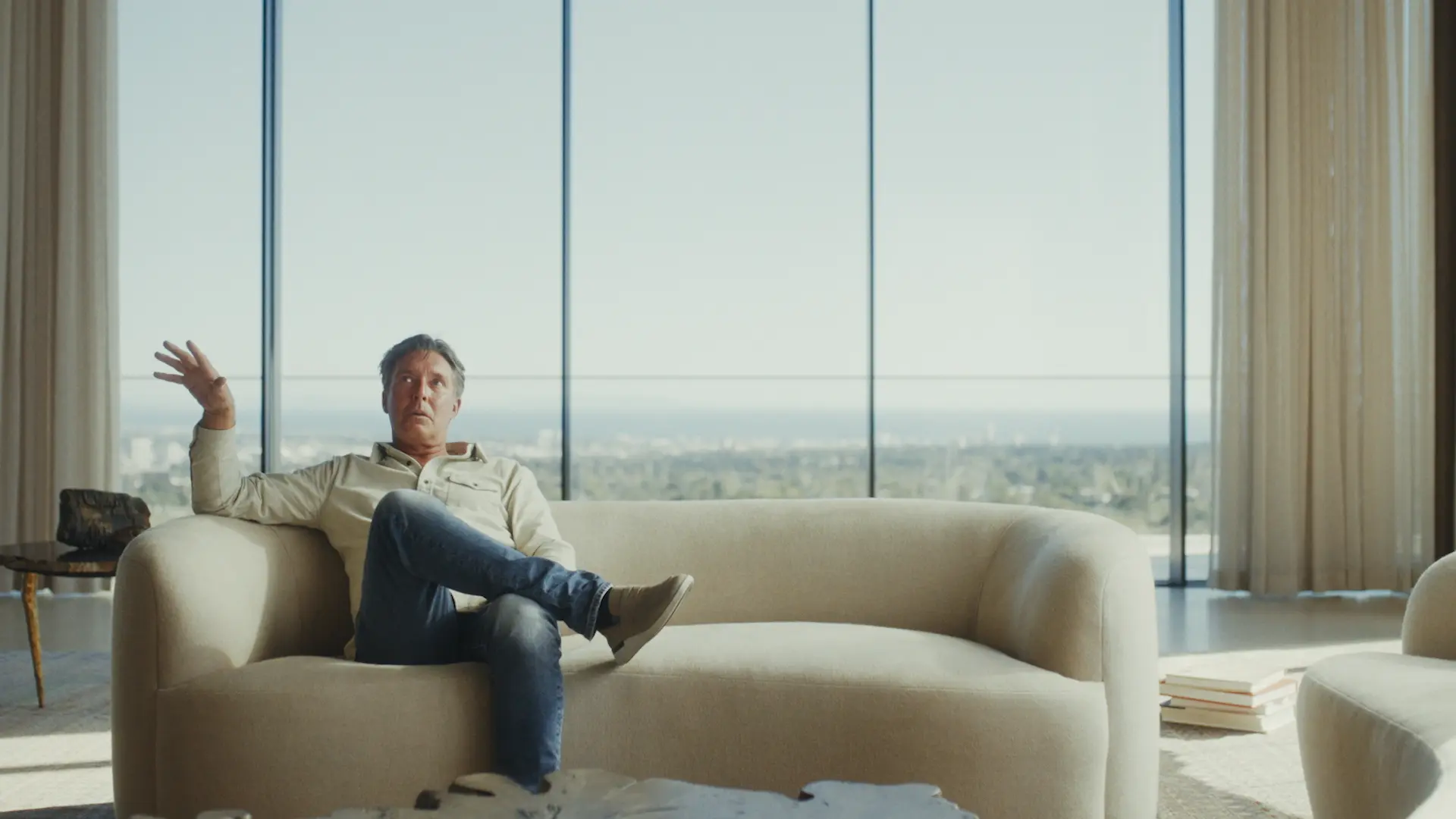
The windows, which can disappear to open the space completely, weigh more than 1,500 pounds. They were installed via crane. “We had a crane sitting in what is now the living room. The glass would come in horizontally, and we would flip it to set it in place,” Roderick notes. The living space now opens without interruption onto a layered, 5,000 square-foot deck and cantilevered, kidney-shaped pool. “If you aren’t in awe here, then you don’t have awe in you,” says Roderick, who calls the Sky-Frame centrepiece “a great, polished piece of art.” “You just feel like you’re floating on the clouds,” Roderick notes that this heightened sensation is softened via a profound sense of peace, particularly in the magic hour, when the hilltops and the home’s surfaces glow in the warm light.
"I really have found some peace here. Definitely."
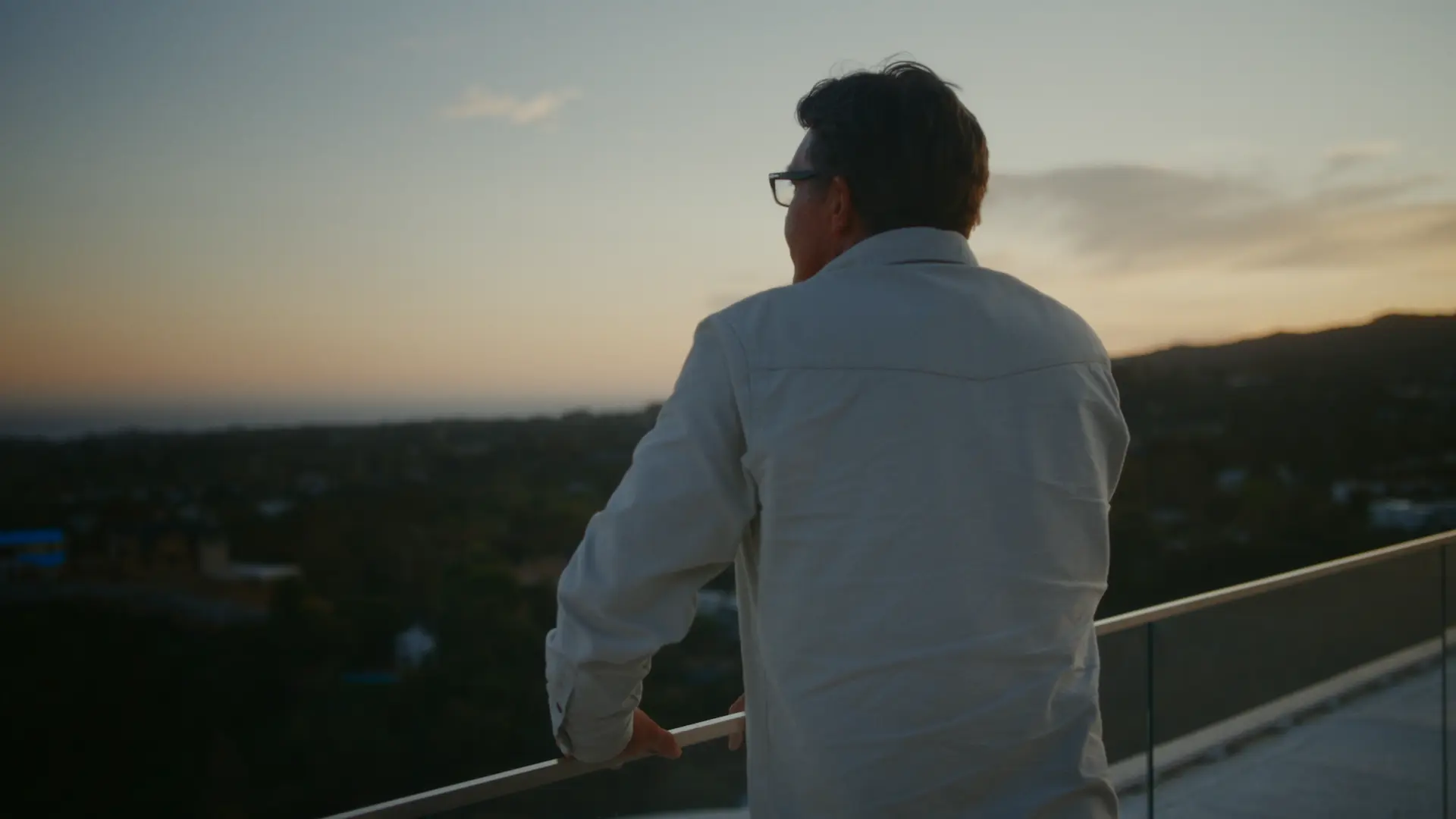
“The sun's a little bit more calm ... it’s more tranquil, peaceful. Everybody’s out there on the freeway. You're only a mile from the 405. But I feel like I'm a mile away. It's like, that's in hell, this is bliss.” He describes the home as having a “zen vibe.” “It’s calming here,” he notes. “It’s not loud. It’s not flashy. It’s all very well thought out. The colours are warm, very inviting.”
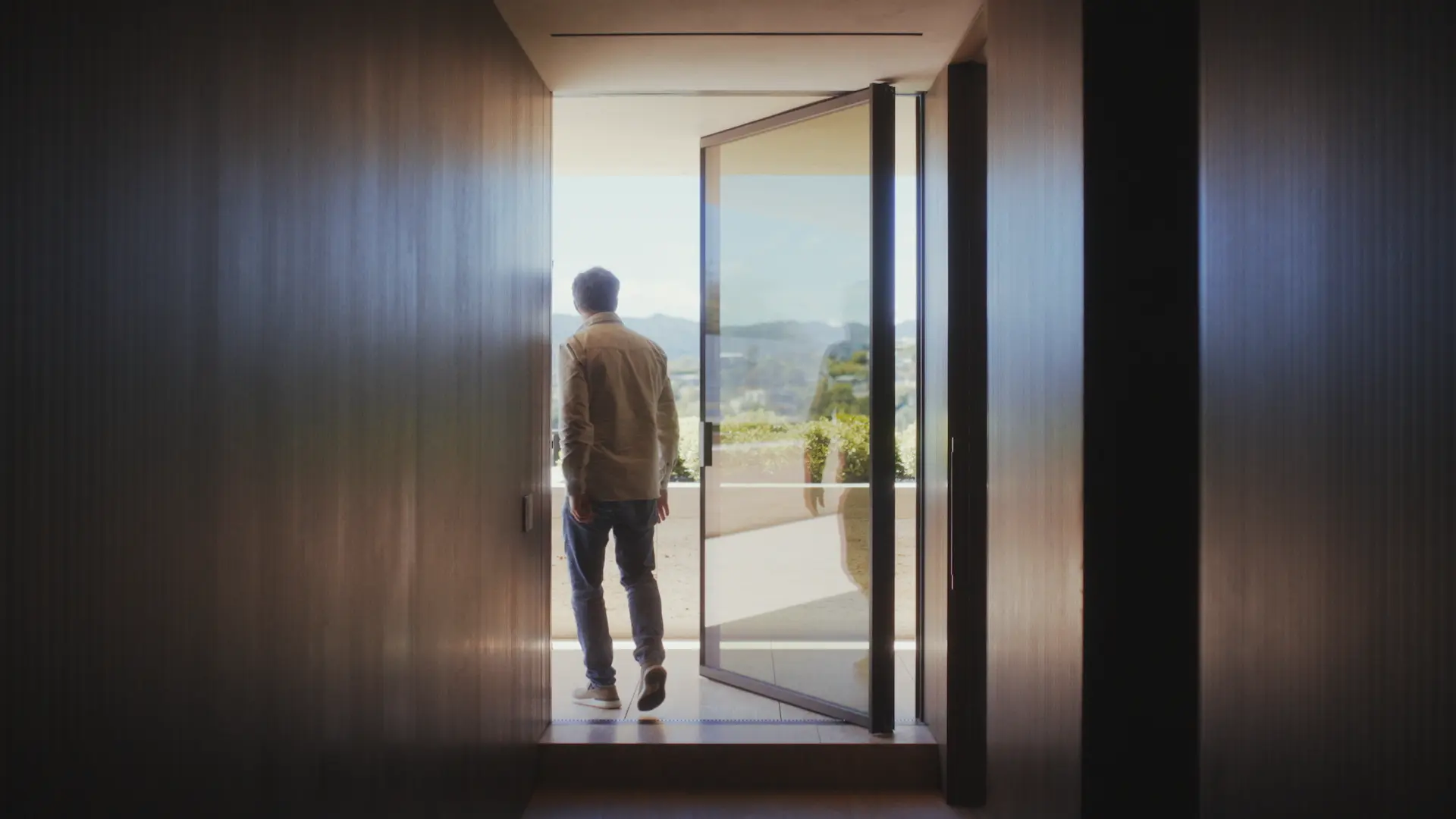
The home’s tactile surfaces are clothed in European stone and warm wood from head to toe. Roderick calls every piece a museum quality. Bush hammered Alabastrino Travertine, which wraps the entire exterior (including the glazed south façade, which resembles a hovering painting frame), was sourced from the same Italian quarry that serviced The Getty itself. Decks are clad in vein-cut marble. Silver travertine block covers most walls—including a three-story expanse in the home’s centre—while soft sandstone lines the floors, and warm French Oak lines other surfaces. These noble materials also alternate to clad doors, ceilings, floating stairs, kitchen counters, and bathroom walls and floors. Other spaces in the 15,000 square foot house—virtually every room overlooks the city, often via multiple angles— unfold from the public area: kitchen, dining room, six bedrooms, ten bathrooms, mother-in-law suite, screening room, library, gym and spa, large terraces and an expansive roof deck.
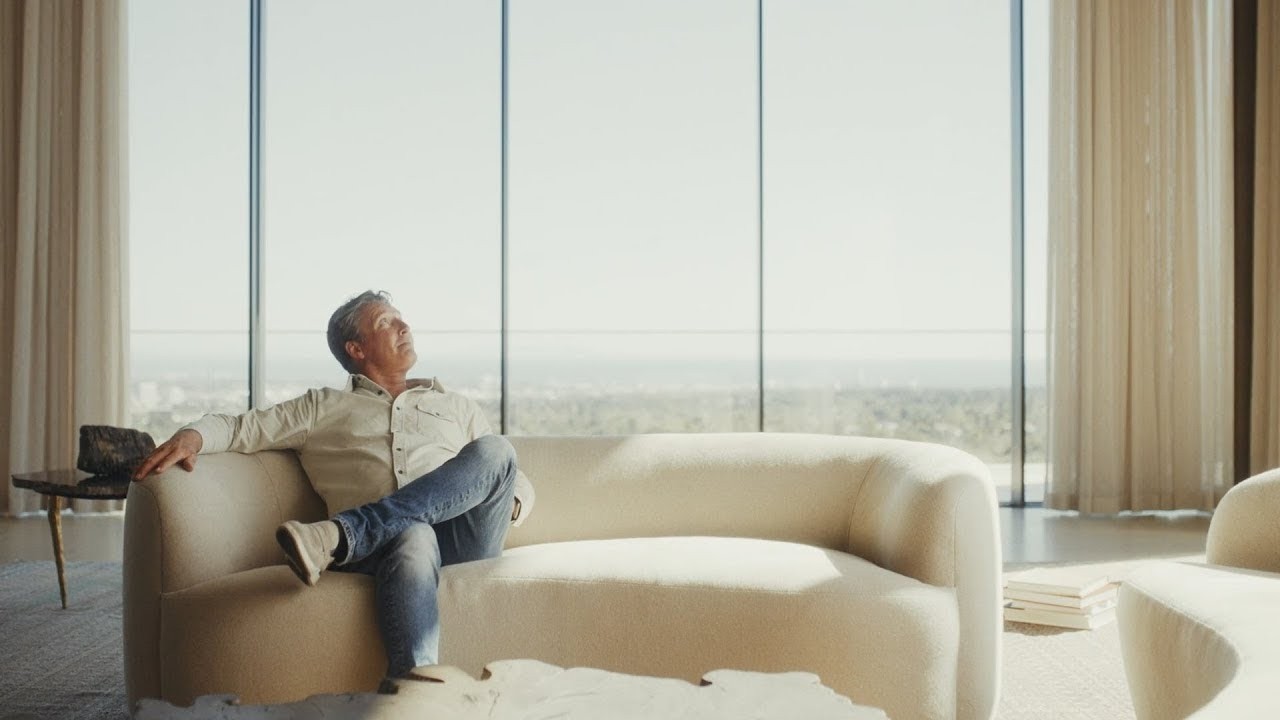
Unlike the Getty, though, Roderick thinks that the surfaces in the home might be better without art. “I would have a hard time drilling a hole and hanging a painting on this wall,” he says, sitting in the living room, the waning light edging across the expanse of the city below. “I’m just starting to enjoy it,” he notes, of the house. “I haven’t been able to, but I’m getting there. He adds: “I'll be excited to come back and revisit it. But I’m ready to disappear from here for a while.” Roderick admits his relationship with the residence hasn’t always been smooth. “Sometimes it got ugly. We needed to go to counselling,” he jokes. The work was so demanding that he missed out on vital moments in his life, including a chance to properly say goodbye to his father-in-law, who died in the midst of construction. “I was at a point where I couldn’t leave … I wish I could have given him a little bit more time. And I couldn't because this was dragging me down,” he says. “That’s what this job can do. I've had vacations that I spent years to book, and I've had to bail on them because that's my industry.”
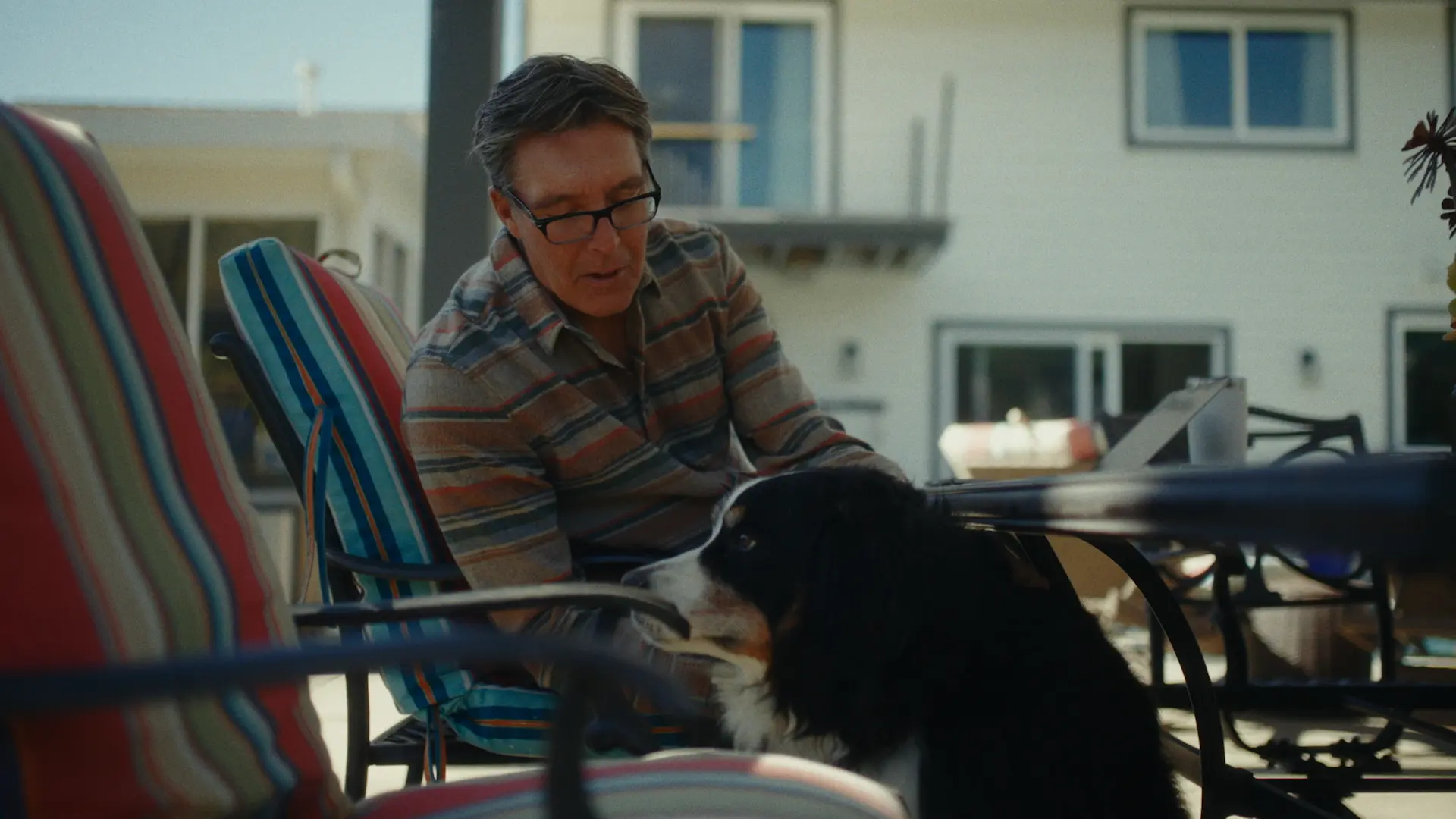
“I'm hoping that when I'm done with this, I’ll be able to take some time off, walk away, and get refreshed. Replenish,” he says. “I’m going to be ok with letting this one go.” Still, he notes, “There's nothing else I would do. I will be doing this till the day I die. I never see myself retiring because I couldn't imagine just staying home. This is what I do.” The results, he adds, speak for themselves. “The stone is beautiful, the finishes are beautiful. It’s a piece of art.” Much, he notes, is thanks to his team, who regards both as passionate craftsmen and as family. “Yes, it becomes your family. You're here together for four years.”

"Sometimes I wish I had not stayed as late a couple of times. You know … But I’m glad about the result. I’m so proud of it. It’s very rewarding to get to this point."
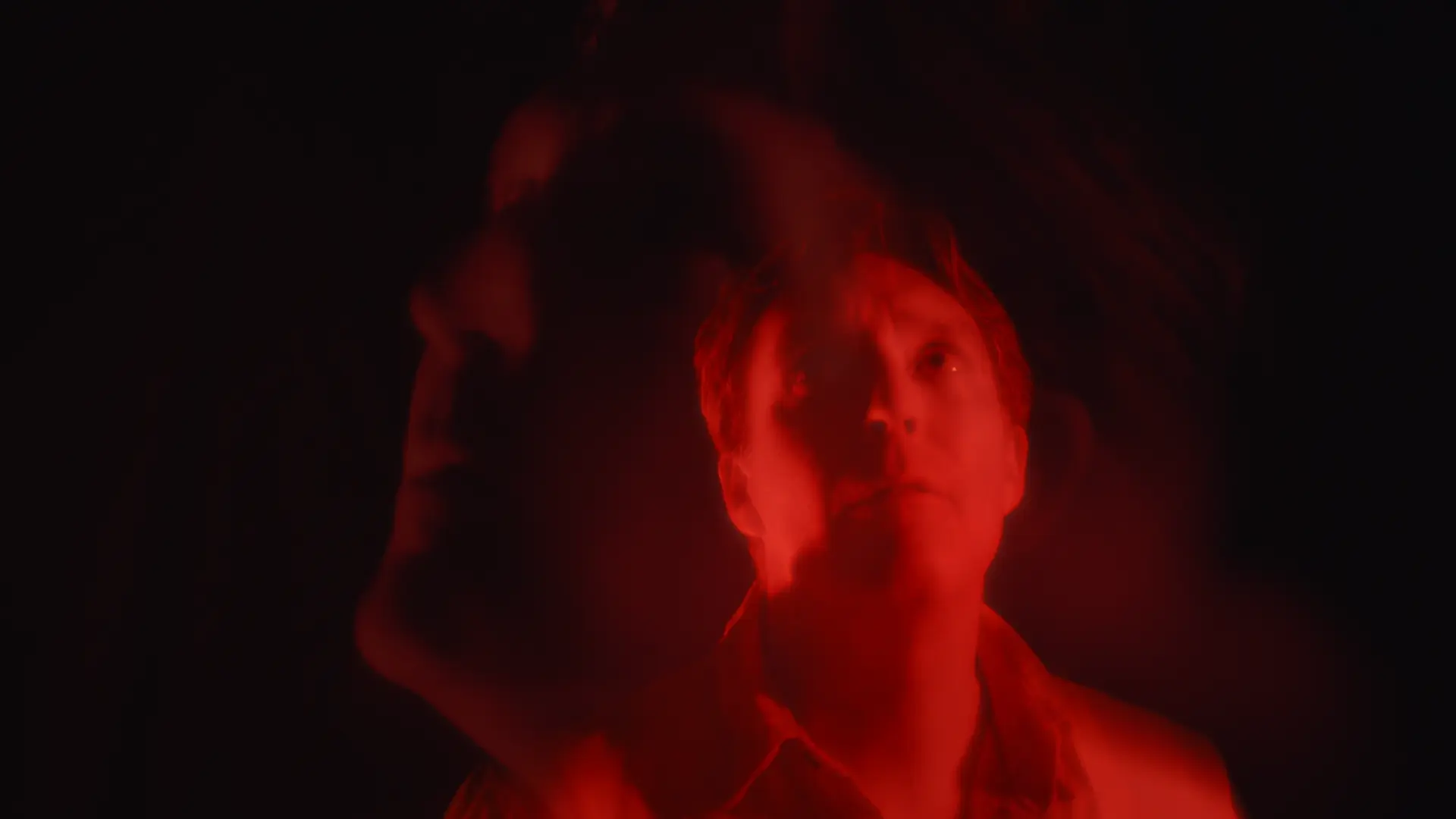
He thinks of the house, meanwhile, as his baby. “I call it my baby, and it’s still my baby until it’s completely done,” he says. “I really have found some peace here. Definitely. Definitely. It's been very hard to get there. But I’m almost there… “Sometimes I wish I would have maybe not stayed as late a couple of times. You know, shoulda woulda coulda. But I’m glad with the end result. I’m so proud of it. It’s very rewarding to get to this point.”
Subscribe to our newsletter
About Travis Roderick
Travis Roderick is the President and Founder of Roderick Builders. He operates as a General Contractor and has been trusted by his clients as a premier custom home builder in California for the past 20 years. He specializes in contemporary and cutting-edge design builds, particularly steel and concrete building techniques, to create open and fluid living spaces. Working alongside world-renowned architects, he focuses mainly on steep slope building, creating unique homes on challenging topographies. His responsibilities include general contracting, design and management.
Architecture: Thomas Juul-Hansen
Film: Borís Noir
Text: Sam Lubel