
Travis Roderick working with Sky-Frame
Video Call buchen mehr Informationen
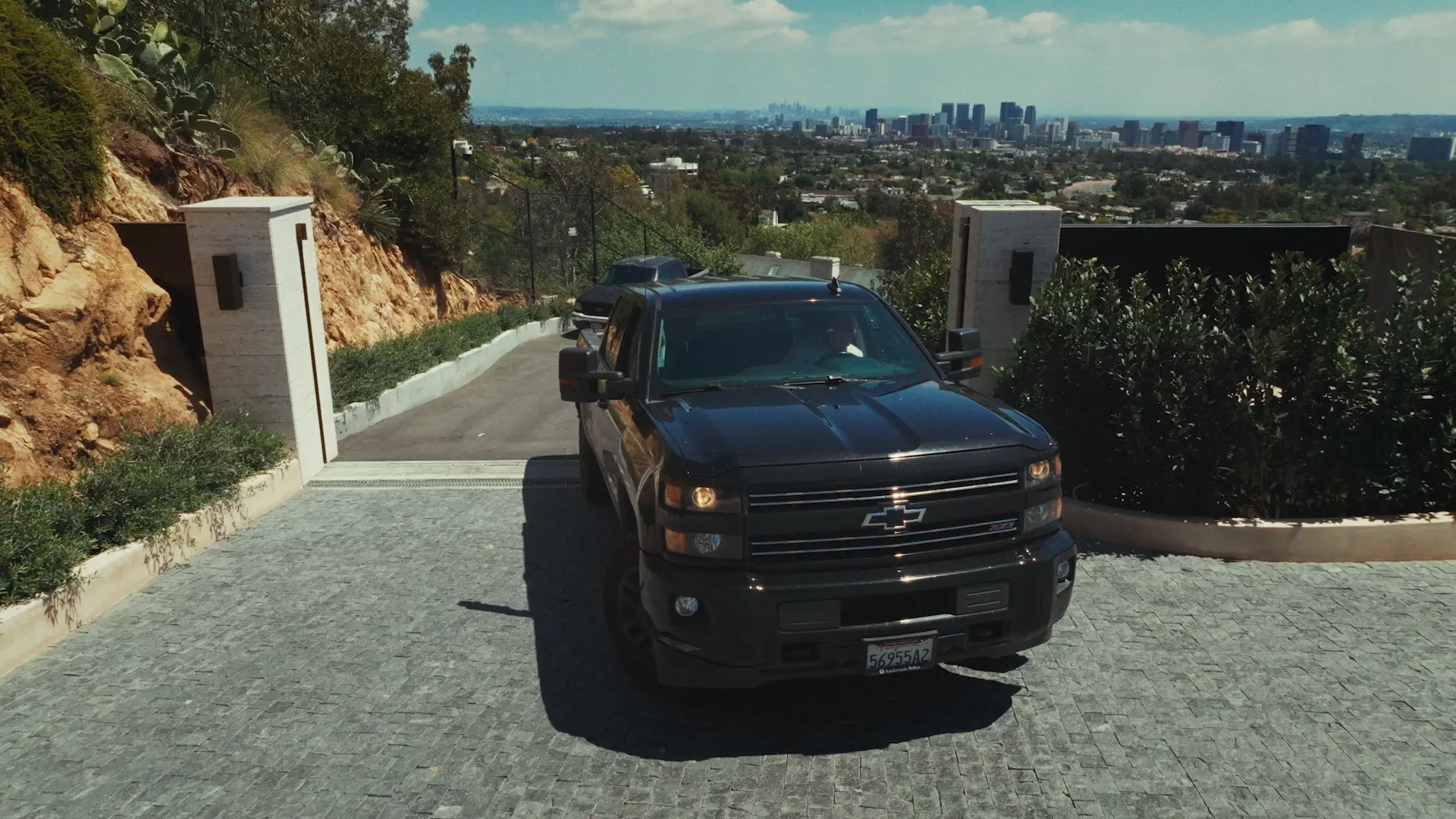
Das Getty Center in Los Angeles, eine leuchtende Akropolis aus hellen, mit Travertin verkleideten Gebäuden, die auf einem elegant gestalteten Hügel in Brentwood thront, ist eine der prächtigsten Sehenswürdigkeiten der Stadt. Südlich des Getty Centers befindet sich ein Hügel, dessen ungehinderte Ausrichtung ihm wohl einen noch besseren Panoramablick bietet als seinem weltberühmten Nachbarn. Der Möbelmagnat Evan Cole kaufte das Grundstück im Jahr 2004 und war 2019 bereit, hier ein neues Haus zu bauen, inspiriert von der exquisiten Kunstfertigkeit des Getty Centers und unter voller Ausnutzung der einzigartigen Lage. Coles Architekt Thomas Juul-Hansen entwarf das Design und schuf mit raffinierter Handwerkskunst, eleganten Materialien und anmutiger räumlicher Gestaltung eine architektonische Symphonie. Aber es war der Bauunternehmer Travis Roderick, der als Dirigent fungierte. Über vier Jahre hinweg leitete er täglich die ausserordentlich komplexen Bauarbeiten auf dem Hügel. Er übernachtete zwar nicht vor Ort, lebte aber mehr oder weniger dort. „Es gab so viele bewegliche Teile“, bemerkt Roderick, ein Branchenveteran, der das 1.400 Quadratmeter grosse Haus als sein bisher anspruchsvollstes Projekt bezeichnet. Zu seinen Aufgaben gehörte es, unzählige winzige Details und Verbindungen zu überwachen, mehrere Tonnen schwere Bauteile an ihren Platz zu heben, die Lieferungen von Werkzeugen und Materialien zu koordinieren, deren Beschaffung durch die Pandemie stark eingeschränkt war, die sehr steile Auffahrt zum Haus zu bewältigen und bis spät in die Nacht aufzubleiben, um den Plan für jeden Tag auszuarbeiten.
„Ich fange gerade erst an, es zu geniessen. Bis dato konnte ich das nicht, aber es wird langsam.“
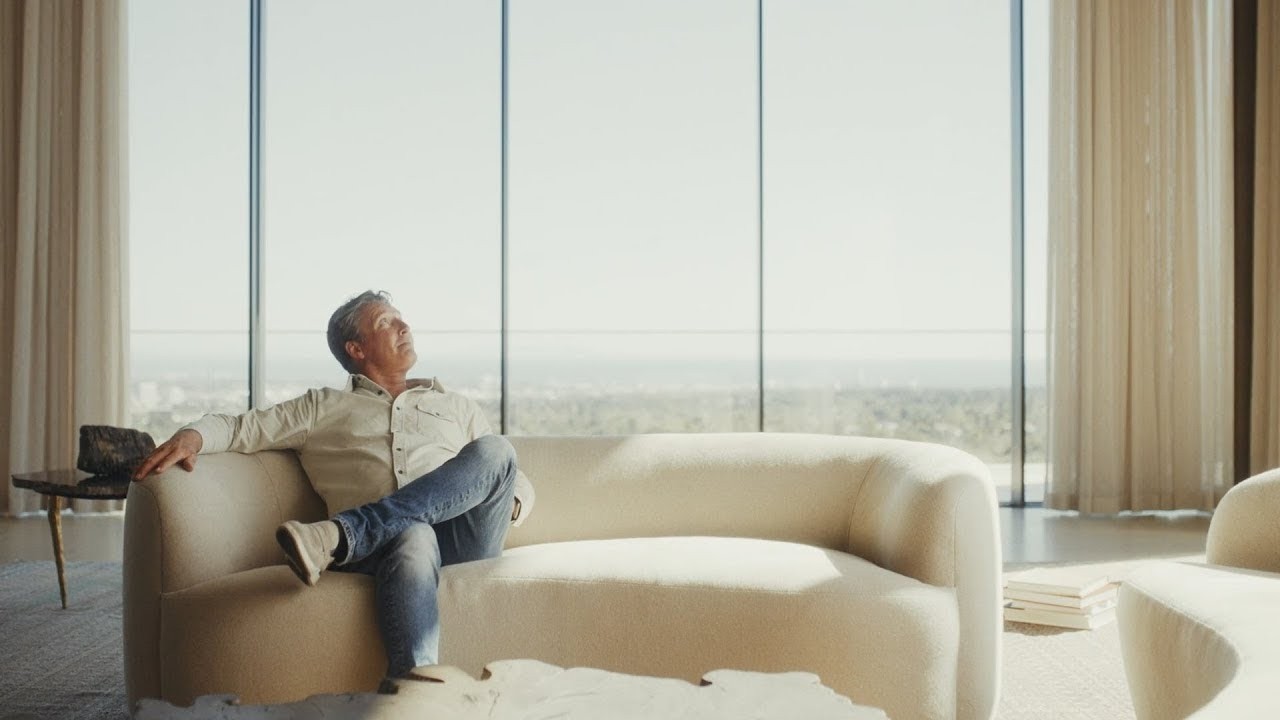
„Jeden Tag musste ich mir überlegen, wie ich diesen Container mit Steinen hier hochbekomme. Wie schaffe ich den Beton hierher? Und den Stahl? Wie sollte ich den Schutt hier wegschaffen? Es war definitiv eine Herausforderung … Es war nicht so einfach, alles zusammenzusetzen. Das Ergebnis, sagt er, steht dem Getty in nichts nach. „Es ist nicht nur die Kunst im Getty, alles dort ist wunderschön. Ich habe das Gefühl, dass es hier genauso ist.“ Das dreistöckige Gebäude schwebt über einem soliden Sockel und öffnet sich bemerkenswert zur Stadt hin. Das höhlenartige Wohnzimmer ist das Herzstück des Hauses, mit zwei Seiten, jeweils mit 6 Meter hohen motorisierten Sky-Frame-Glasschiebetüren, die die Grenze zwischen Innen und Außen deutlich verwischen und den Blick auf die faszinierende Umgebung lenken. („Sie werden nie etwas sehen, das so klar ist wie dieses Glas“, sagt Roderick.)
"Es gibt nichts, was ich lieber tun würde. Ich werde das bis zum Ende meines Lebens tun. Ich kann mir nicht vorstellen, jemals in Rente zu gehen, weil ich mir nicht vorstellen kann, einfach nur zu Hause zu sitzen. Das ist meine Berufung."
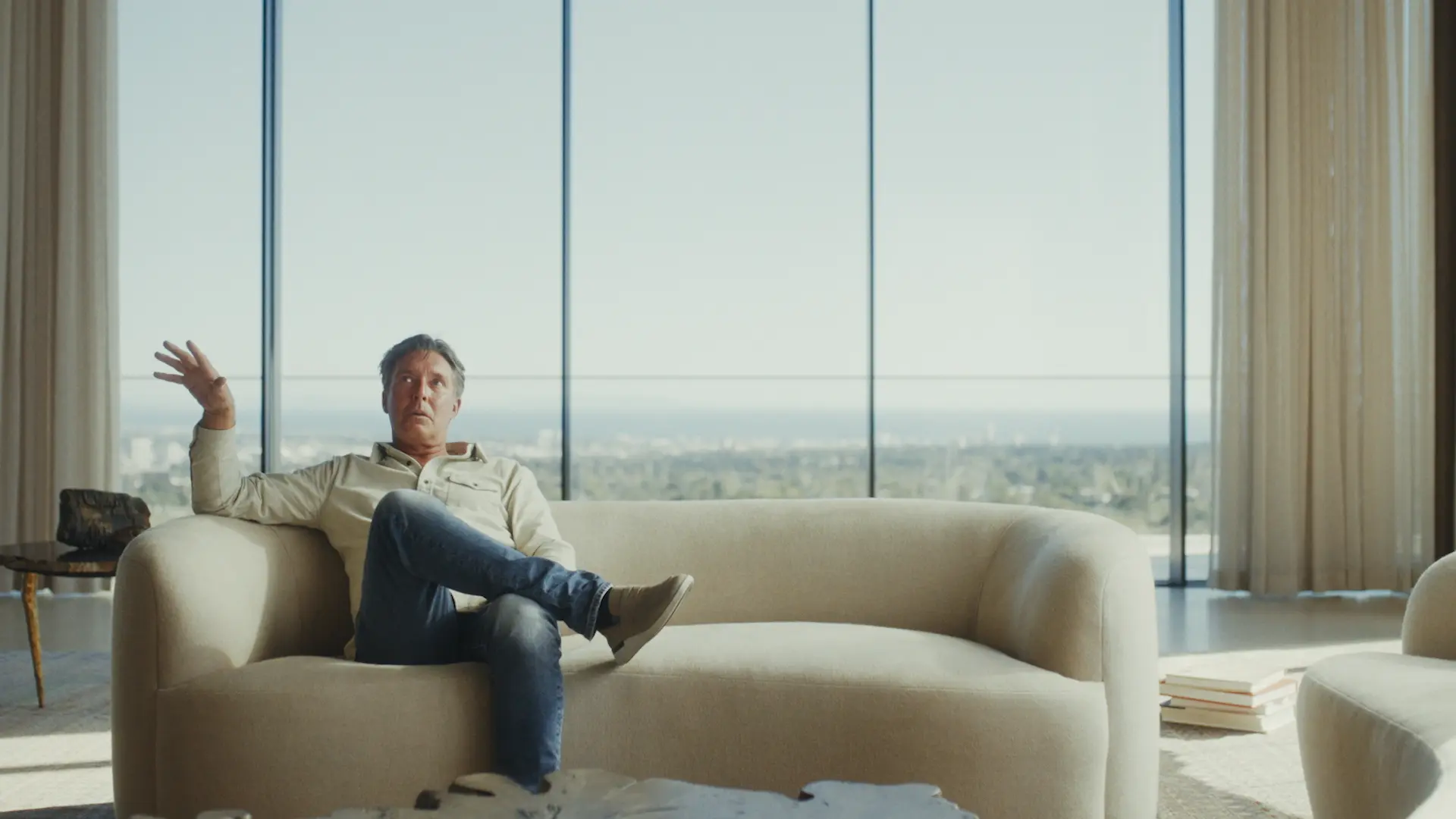
Die Fenster, die sich vollständig zurückziehen lassen, um den Raum zu öffnen, wiegen mehr als eine Tonne. Sie wurden mit einem Kran eingebaut. „Wir hatten einen Kran in dem Raum stehen, der heute das Wohnzimmer ist. Die Glasscheiben wurden zunächst horizontal hereingebracht, bevor wir sie umdrehten, um sie einzupassen“, erklärt Roderick. Der Wohnbereich öffnet sich nun ohne Unterbrechung zu einer mehrstufigen, 450 Quadratmeter grossen Terrasse und einem auskragenden, nierenförmigen Pool. „Wenn man hier nicht Ehrfurcht empfindet, dann ist man einfach nicht ehrfürchtig“, sagt Roderick, der das Highlight von Sky-Frame als „ein grossartiges, vollendetes Kunstwerk“ bezeichnet. „Man hat einfach das Gefühl, auf den Wolken zu schweben“, bemerkt Roderick, dieses überwältigende Gefühl werde durch ein tiefes Gefühl der Ruhe ausgeglichen, besonders in der goldenen Stunde, wenn die Hügel und die Fassade des Hauses im warmen Licht erstrahlen.
"Ich habe hier wahrhaftig Frieden gefunden. Ganz sicher."
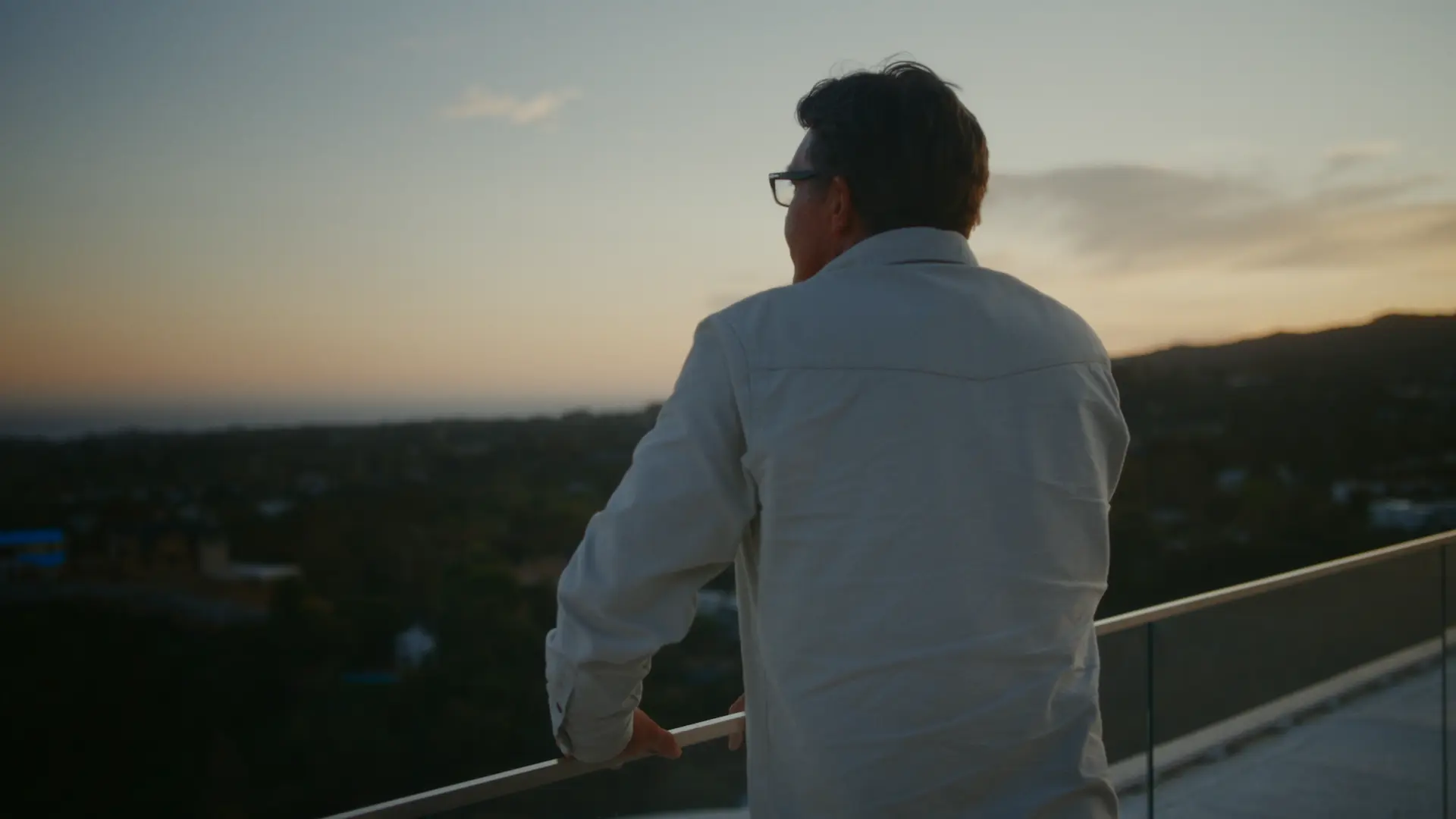
"Die Sonne scheint hier etwas sanfter … es ist ruhiger, friedlicher. Die Leute sind alle auf der Autobahn unterwegs. Man ist nur eine Meile von der 405 entfernt. Aber ich habe das Gefühl, eine Meile entfernt zu sein. Es ist, als wäre das dort die Hölle und hier das Paradies." Er beschreibt das Haus als einen Ort mit "Zen-Atmosphäre". "Es ist hier sehr beruhigend", bemerkt er. "Es ist nicht laut. Es ist nicht protzig. Alles ist sehr gut durchdacht. Die Farben sind warm, sie laden zum Verweilen ein."
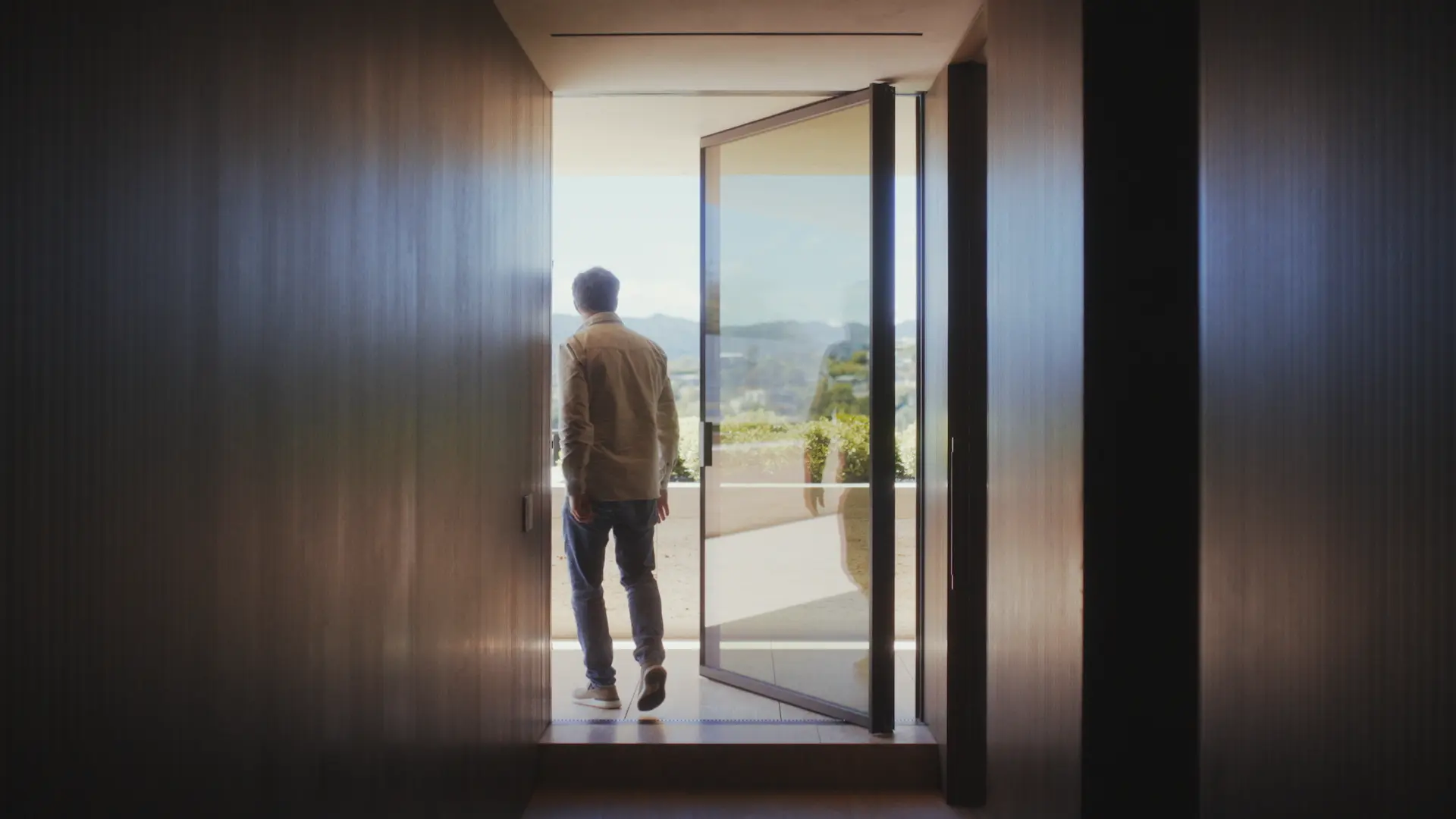
Die Oberflächen des Hauses sind von Kopf bis Fuss mit europäischen Steinen und warmem Holz verkleidet. Roderick bezeichnet jedes einzelne Stück als Museumsqualität. Der Alabastrino-Travertin, der die gesamte Außenfassade umhüllt (inklusive der verglasten Südfassade, die einem schwebenden Bilderrahmen gleicht), stammt aus demselben italienischen Steinbruch, der auch das Getty selbst beliefert hat. Die Terrassen sind mit genarbtem Marmor verkleidet. Silberner Travertin verkleidet die Wände – einschließlich einer dreistöckigen Fläche im Zentrum des Hauses –, während weicher Sandstein die Böden und warmes französisches Eichenholz die übrigen Oberflächen ziert. Diese edlen Materialien wechseln sich auch bei der Verkleidung von Türen, Decken, freitragenden Treppen, Küchenarbeitsplatten sowie den Wänden und Böden der Badezimmer ab. Weitere Räume des 1.400 Quadratmeter grossen Hauses – praktisch jeder Raum bietet einen Blick auf die Stadt, oft aus mehreren Blickwinkeln – gehen vom öffentlichen Bereich aus: Küche, Esszimmer, sechs Schlafzimmer, zehn Badezimmer, Einliegerwohnung, Vorführraum, Bibliothek, Fitnessraum und Spa, große Terrassen und eine weitläufige Dachterrasse.
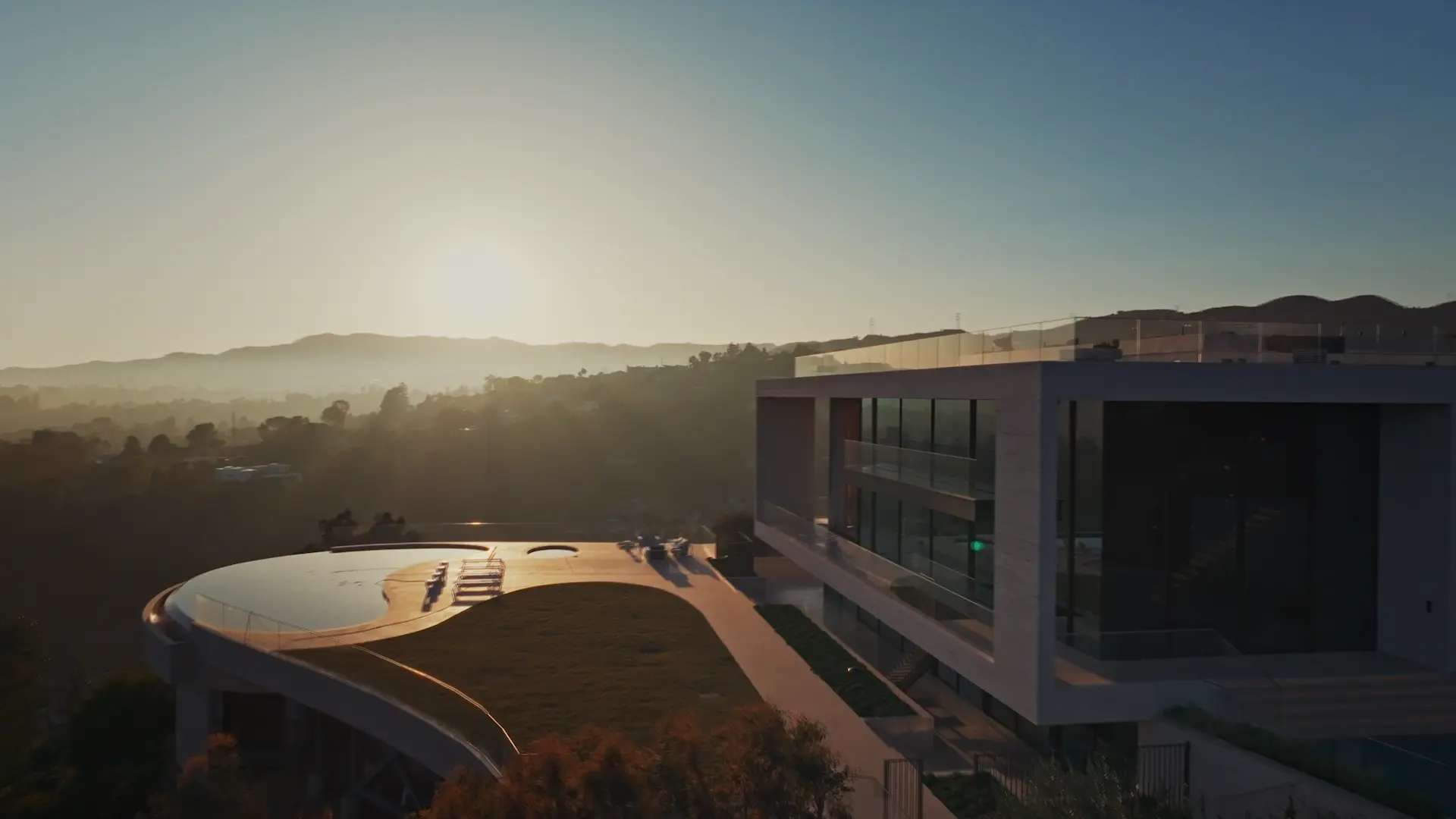
Im Gegensatz zum Getty ist Roderick jedoch der Meinung, dass die Wände in diesem Haus vielleicht besser ohne Kunst wirken. "Es würde mir schwerfallen, ein Loch zu bohren und ein Gemälde an diese Wand zu hängen", sagt er, während er im Wohnzimmer sitzt und das schwindende Licht über die Weite der Stadt unter ihm gleitet. "Ich fange gerade erst an, es zu geniessen", bemerkt er mit Blick auf das Haus. "Bisher ist mir das kaum gelungen, aber ich komme langsam dahin." Er fügt hinzu: "Ich freue mich darauf, irgendwann zurückzukommen und es mir noch einmal anzusehen. Aber ich bin bereit, für eine Weile von hier zu verschwinden." Roderick gibt zu, dass seine Beziehung zu dem Haus nicht immer einfach war. "Manchmal wurde es unschön. Wir mussten zur Paartherapie" scherzt er. Die Arbeit war so anspruchsvoll, dass er wichtige Momente in seinem Leben verpasste, darunter die Gelegenheit, sich gebührend von seinem Schwiegervater zu verabschieden, der mitten während der Bauarbeiten verstarb. "Ich war an einem Punkt, an dem ich nicht weggehen konnte … Ich wünschte, ich hätte etwas mehr Zeit mit ihm verbringen können. Aber das war mir nicht möglich, weil mich das hier so sehr vereinnahmte", sagt er. "So ist dieser Job nun mal. Ich hatte Urlaube, für deren Planung ich Jahre gebraucht hatte, und musste sie schließlich absagen, einfach weil das in meiner Branche nun mal so ist."
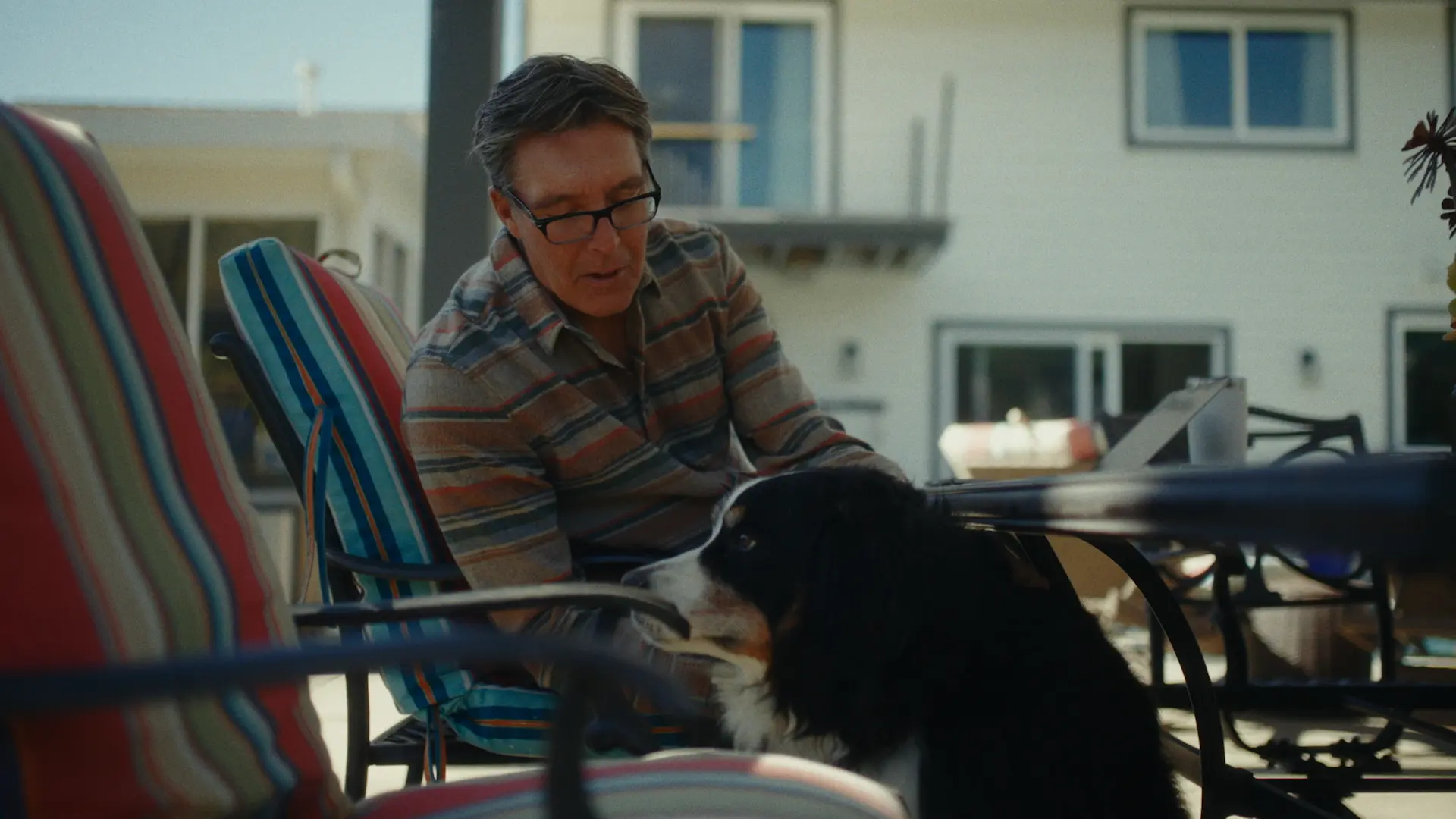
"Ich hoffe, dass ich mir, wenn ich damit fertig bin, eine Auszeit nehmen, Abstand gewinnen und neue Kraft tanken kann", sagt er. Er fügt hinzu: "Ich kann das gut loslassen." Dennoch merkt er an: "Ich kann mir nichts anderes vorstellen. Ich werde das bis zu meinem Tod machen. Ich kann mir nicht vorstellen, in Rente zu gehen, denn ich könnte nicht einfach zu Hause sitzen. Das hier ist meine Berufung." Die Ergebnisse, fügt er hinzu, sprechen für sich. "Der Stein ist wunderschön, die Oberflächen sind wunderschön. Es ist ein Kunstwerk." Vieles, so merkt er an, verdankt er seinem Team, das er sowohl als leidenschaftliche Handwerker als auch als Familie betrachtet. "Ja, man wird zu einer Familie. Wir waren hier vier Jahre lang jeden Tag zusammen."

"Manchmal wünschte ich mir, ich wäre ein paar Mal nicht so lange geblieben … Aber ich bin sehr stolz auf das Ergebnis. Es ist sehr befriedigend, diesen Punkt zu erreichen."
Das Haus betrachtet er inzwischen als sein "Baby". "Ich nenne es mein Baby, und es bleibt mein Baby, bis es ganz fertig ist", sagt er. "Ich habe hier wirklich etwas Ruhe gefunden. Auf jeden Fall. Auf jeden Fall. Es war sehr schwer, so weit zu kommen. Aber ich bin fast am Ziel… "Manchmal wünschte ich mir, ich wäre vielleicht ein paar Mal nicht so lange geblieben. Du weißt schon, hätte, würde, könnte. Aber ich bin sehr stolz auf das Ergebnis. Es ist sehr befriedigend, diesen Punkt zu erreichen."
Newsletter abonnieren
Über Travis Roderick
Travis Roderick ist Präsident und Gründer von Roderick Builders. Er ist als Generalunternehmer tätig und genießt seit 20 Jahren das Vertrauen seiner Kunden als einer der führenden Bauunternehmer für individuelle Häuser in Kalifornien. Er ist spezialisiert auf zeitgenössische und innovative Design-Bauvorhaben, insbesondere auf Bauweisen mit Stahl und Beton, um offene und fließende Wohnräume zu schaffen. In Zusammenarbeit mit weltbekannten Architekten konzentriert er sich vor allem auf das Bauen an steilen Hängen und schafft einzigartige Häuser auf anspruchsvollen Topografien. Zu seinen Aufgaben gehören die Bauleitung, die Planung und das Management.
Architektur: Thomas Juul-Hansen
Film: Borís Noir
Text: Sam Lubel